

Know where you stand. Turn DPDPA readiness into action.
Start with a free initial assessment. No legal jargon. No commitment.
Built for privacy-first organisations in India



What happens if a customer accuses you of a “serious data protection breach”?
You are prepared – with AGICENTRAL.

Consumers
Every UPI payment and app sign-up creates personal data.

Patients
Patient records are among the most personal data you hold.

Children
Children's data generally needs verifiable parental consent.

Your teams
Readiness takes legal, IT, security, and business working together.
DPDPA covers the personal data of everyone your organisation serves: customers, patients, children, and your own people.
Non-compliance has a real, specific cost.
These aren't abstract numbers — they're what the Act's own Schedule and Rules set out. Here's what's actually at stake, and how to see where your organisation stands today.

Up to ₹250 crore in penalties
The Act's Schedule sets financial penalties by failure type, from security-safeguard lapses to mishandling children's data. The Board decides the actual amount case by case, within these ceilings.

A 72-hour breach clock
If a breach happens, the DPDP Rules require notifying the Board and affected people without delay, then a detailed report within 72 hours of becoming aware of it.

Stricter rules for children's data
Verifiable parental consent is required for anyone under 18, and tracking, behavioural monitoring or targeted ads aimed at children are prohibited even with consent — apart from narrow exemptions in the Rules (such as certain health, education and child-safety uses).
General information based on the Act's Schedule and the DPDP Rules, 2025 — not legal advice. Confirm your organisation's specific exposure with counsel.
From scattered systems to one secured, tracked place.
Personal data usually lives in HR tools, CRMs, support systems, and vendor platforms at once. The platform pulls a structured view of it into a single, access-controlled workspace, so it can be protected and monitored, not just described in a policy document.
- Scattered across systems
- Brought into one place
- Protected
- Tracked continuously
Privacy readiness is difficult when the work is scattered.
Many teams do not lack intent. They lack a shared way to understand what needs to be done and who owns it.
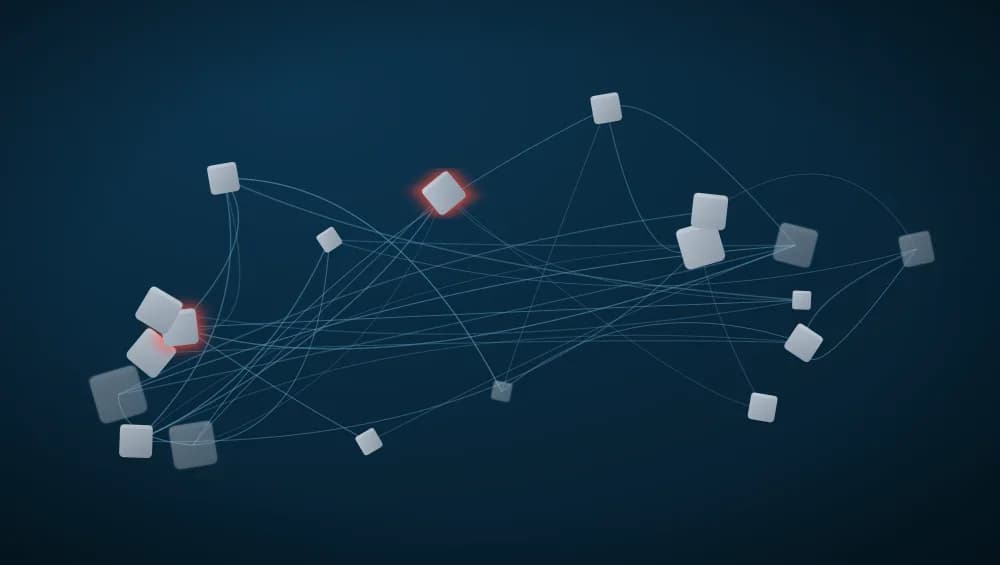
Personal data is spread across systems, teams, and vendors.

Privacy work is managed through spreadsheets, emails, and disconnected documents.

It is unclear which DPDPA actions should be prioritised first.
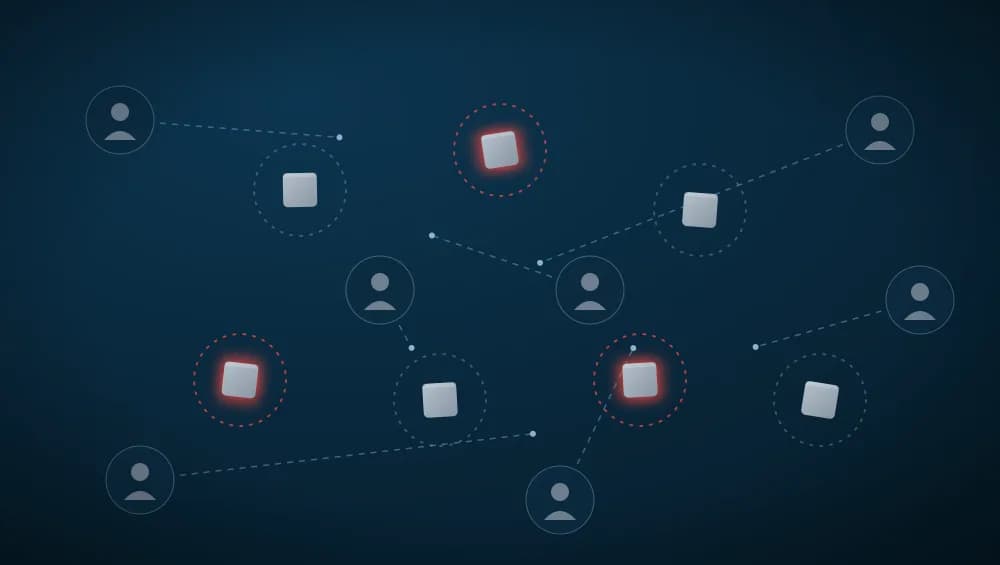
Ownership is unclear across legal, IT, security, and business teams.
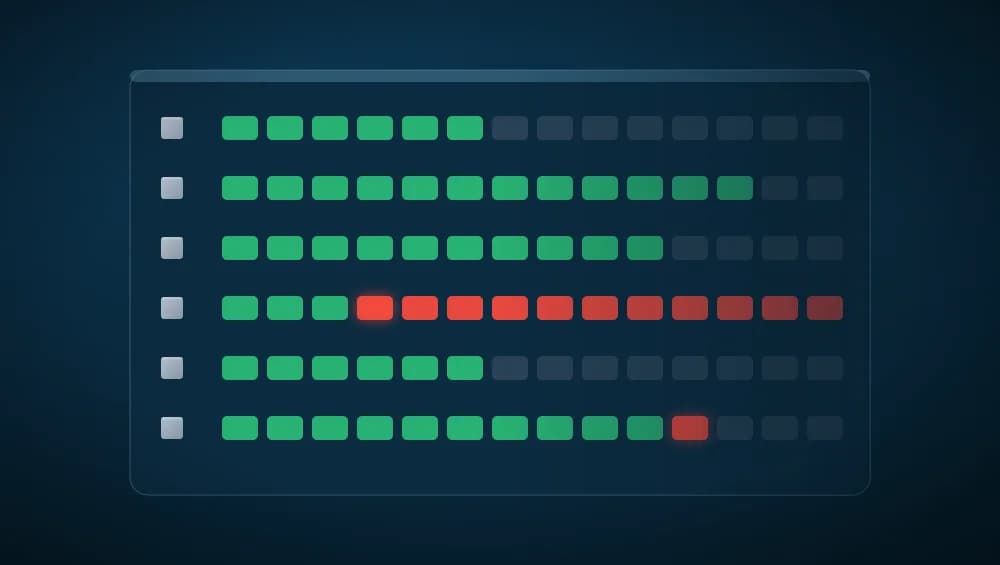
It is difficult to show leadership what is complete and what still needs attention.
“A data principal asks where their information is stored, who has access to it, and whether it's been shared with anyone else. Could your team answer that today, in writing, with confidence?”
That's exactly what a Personal Data Processing Register is for.
Start with a short, simple assessment.
Answer straightforward questions about your current privacy practices. In about 10 minutes, you will see an initial readiness view and the areas that need attention first.
- Step 1
Answer guided questions
Short, plain-language questions across eight readiness categories.
- Step 2
View your readiness summary
See an overall score and how each category compares.
- Step 3
Receive a prioritised action plan
Understand the areas that need attention first.
Step 2, in practice
A score you can actually act on.
You get a breakdown by category, and the handful of gaps worth tackling first. This is an example view; yours will reflect your own answers.
Progressing
Core practices are in place. A few priority gaps remain.
Priority actions
- Document vendor data-sharing agreementsIT
- Publish updated consent noticeLegal
- Map personal data in support systemsOps
Eight readiness categories: select one to preview a question
This assessment provides an initial readiness view and is not legal advice.
Move from uncertainty to a workable action plan.

Before
- Scattered spreadsheets
- Unclear ownership
- No central view of data processing
- Difficult follow-up
- Hard to show evidence

After
- Clear readiness baseline
- Prioritised improvement actions
- Assigned owners and due dates
- Centralised records and evidence
- Better visibility for leadership
One connected workspace for privacy readiness.
Move beyond assessment results. Organise the work, involve the right people, and keep progress visible.
 01
Assess
Understand your current readiness and identify priority gaps.
 02
Organise
Document processing activities, personal data, systems, teams, and vendors in one place.
 03
Act
Turn gaps into tasks with owners, priorities, due dates, and progress tracking.
 04
Respond
Prepare for incidents and manage privacy-related breach activities in a structured way.
 05
Evidence
Maintain records, templates, decisions, and supporting documentation for easier review.
Built for teams managing real privacy work.
Compliance and privacy teams
Turn requirements into structured actions and clear evidence.
IT and security teams
Contribute to data, vendor, security, and incident visibility without working in disconnected files.
Business owners
Understand responsibilities and complete actions with guidance.
Leadership teams
See readiness, priority gaps, ownership, and progress in one view.
Designed for organisations where personal data is part of everyday work.
Every industry uses personal data differently. The starting point is understanding your own data, practices, and priorities.









Grounded, transparent, and built with privacy in mind.
- India-focused DPDPA readiness approach
- Customer data planned to be hosted in India
- Role-based access and ownership controls
- Structured records, tasks, and evidence
- Transparent data-handling approach

Your next privacy action can be simple.
Start with a quick readiness assessment, or book a walkthrough to see how the platform can support your team.