

DPDPA readiness for healthcare organisations.
Health data carries real consequences if it's mishandled: for patient trust as much as for compliance. DPDPA readiness for healthcare organisations tends to center on how many different people and systems touch the same patient record over time.
What personal data typically looks like here
Where this usually creates the most work
Consent across a wide circle of care
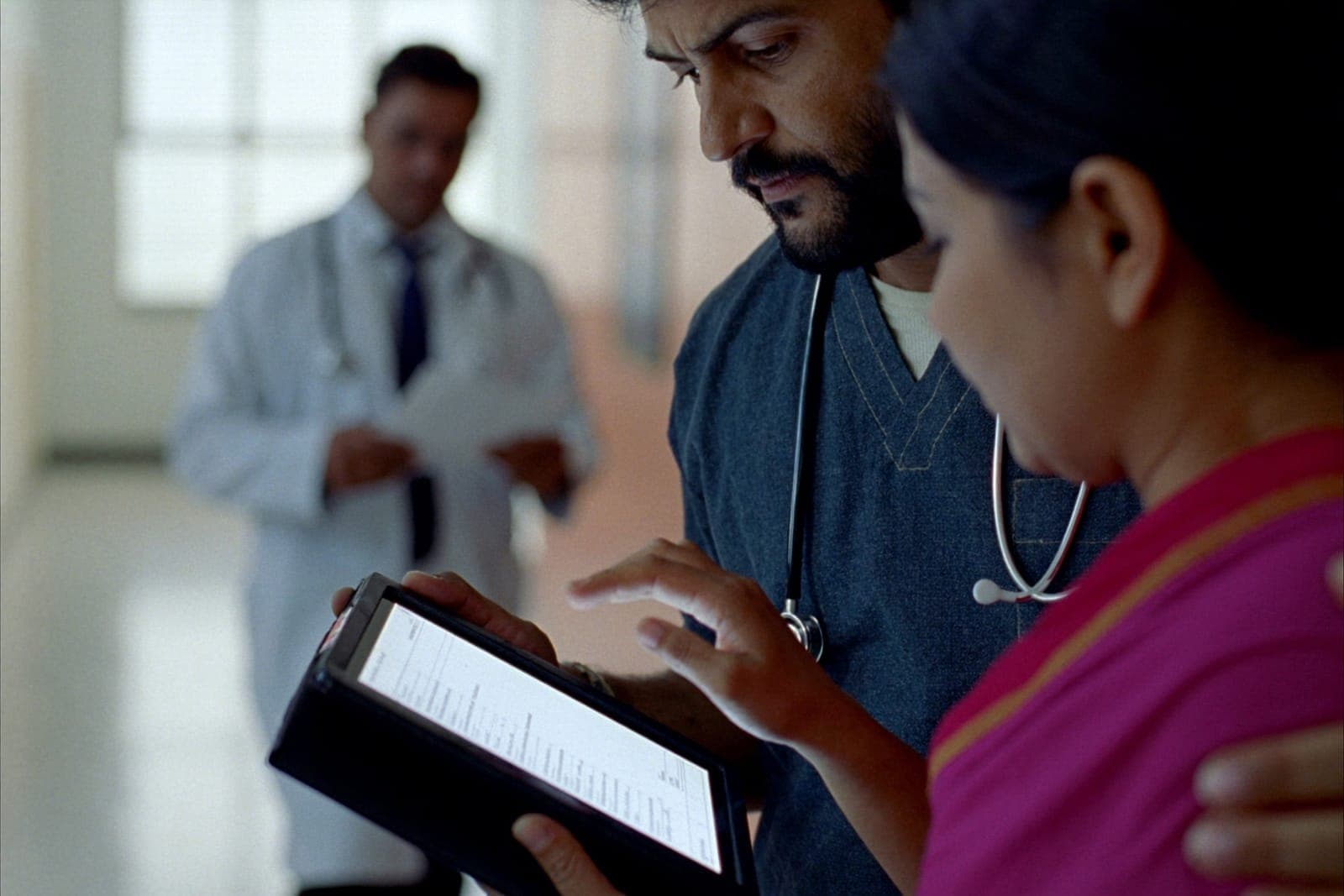
A single patient record is often accessed by reception, clinical staff, billing, and referred specialists. Readiness work usually starts with mapping who actually has access today, not who's supposed to.
Processing Register templateVendor exposure through labs, imaging, and billing partners
Diagnostic labs, imaging centres, and billing software providers are common processors of patient data. The same vendor diligence that applies to any sensitive data applies here.
Vendor review checklistHandling patients' own access and correction requests
Patients have a real interest in seeing and correcting their own records. A clear, defined process for that, rather than an ad hoc one, is worth having before it's requested.
Higher-sensitivity breach response
The scale and sensitivity of the personal data an organisation handles is a real factor regulators can weigh, including in decisions about extra obligations for larger fiduciaries. Health data volume is a practical reason to take incident preparedness seriously regardless of size.
Other industries
Readiness work looks different depending on how your organisation uses personal data.
See where your organisation stands.
Ten minutes, no legal jargon, no commitment.